Snow Leopard: Protecting The Mountain Ghosts In Mongolia
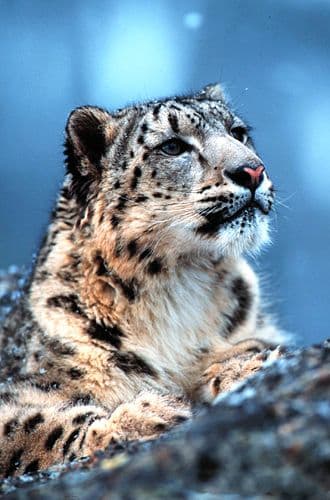
Snow leopard, the king of the north and central Asia's high mountains, is often referred to as the ghost of the mountains. Even if the leopard is sleeping on a rock slope right in front of you, you may not notice it is there until you step on it.
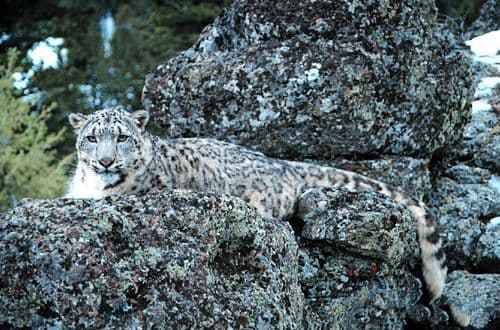
Within a mountain range stretching over 1,000 square km, the chances of seeing this majestic creature are small, although it is probably watching you trespassing its kingdom. The coloring of their coats blends them into the snowy environment they inhabit. Thus, snow leopards can walk past those who seek them without being noticed, only leaving behind their footprints.
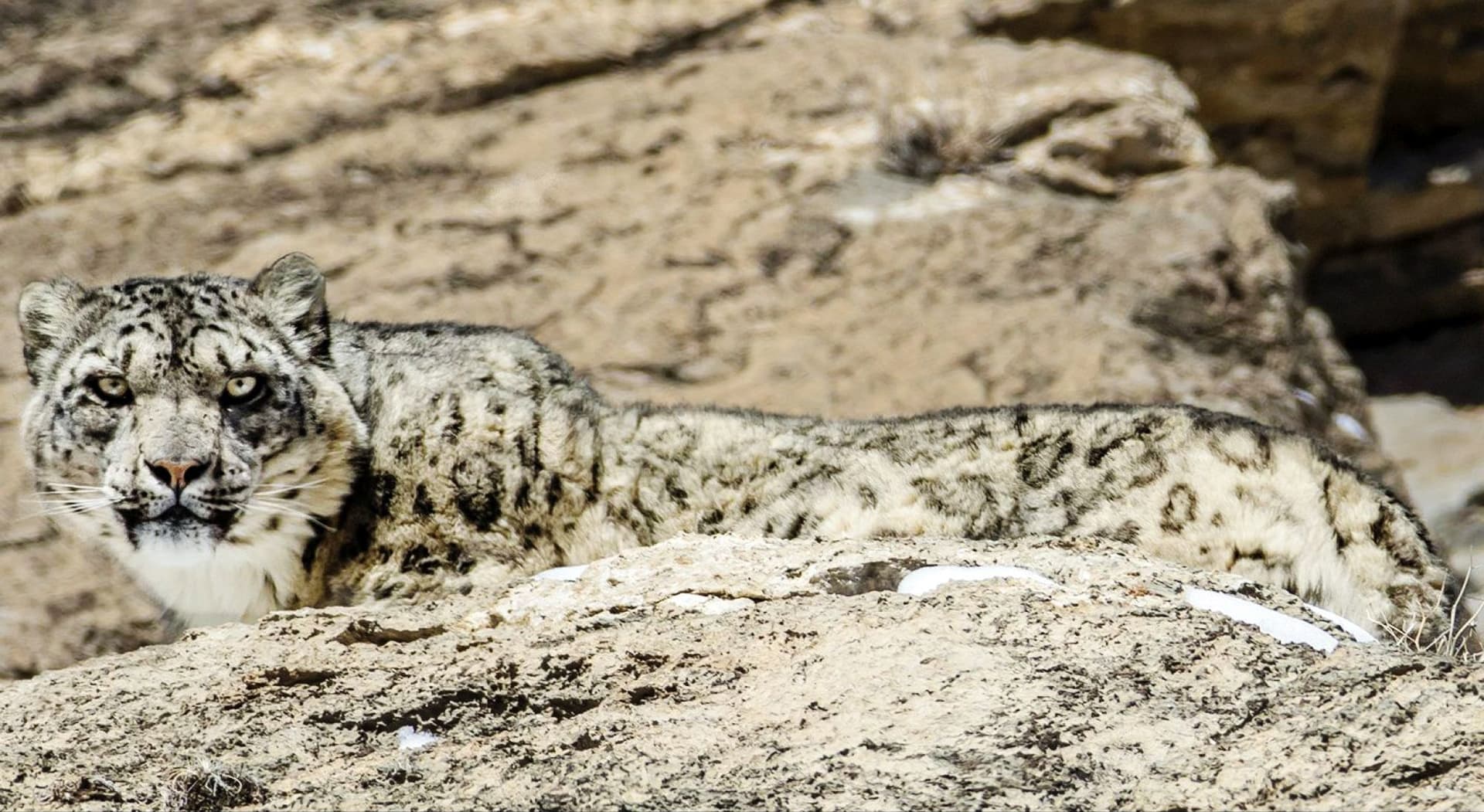
The snow leopard is the least aggressive among big cats. Even if disturbed while feeding, it is more likely to run away than try to defend its food. There are only two recorded cases of a snow leopard attacking humans. Both took place in the valley near the city of Almaty in Kazakhstan. In the first case, a rabies-infected snow leopard attacked two locals, seriously injuring them. In the second case, an old, toothless snow leopard attacked a passerby, but the man escaped unharmed. Based on historical facts, we can conclude that humans are the ones threatening the snow leopards. There are now only around 5000 snow leopards in the wild, living in the high mountains of 12 countries, including China, Bhutan, Nepal, Russia, and Mongolia.
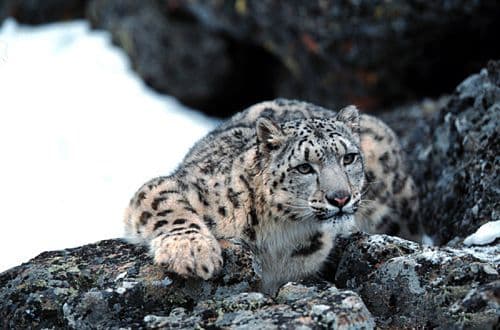
Three factors are behind the decline of their population, all of which are caused by man.
- Loss of habitat: As human settlements and infrastructure grow, the snow leopards lose their habitat and see it fragmented, making it difficult for the males to find a female to mate.
- Loss of prey species: Snow leopard mainly hunts wild sheep (argali) and ibex, but it also feeds on smaller animals such as marmots, rabbits, and pikas. The population of these animals is shrinking due to mining activities and poaching.
- Hunting: Its stunning fur and various organs used in traditional medicine make the snow leopard a poacher's target. Local herders also hunt the snow leopards to prevent the loss of their animals.
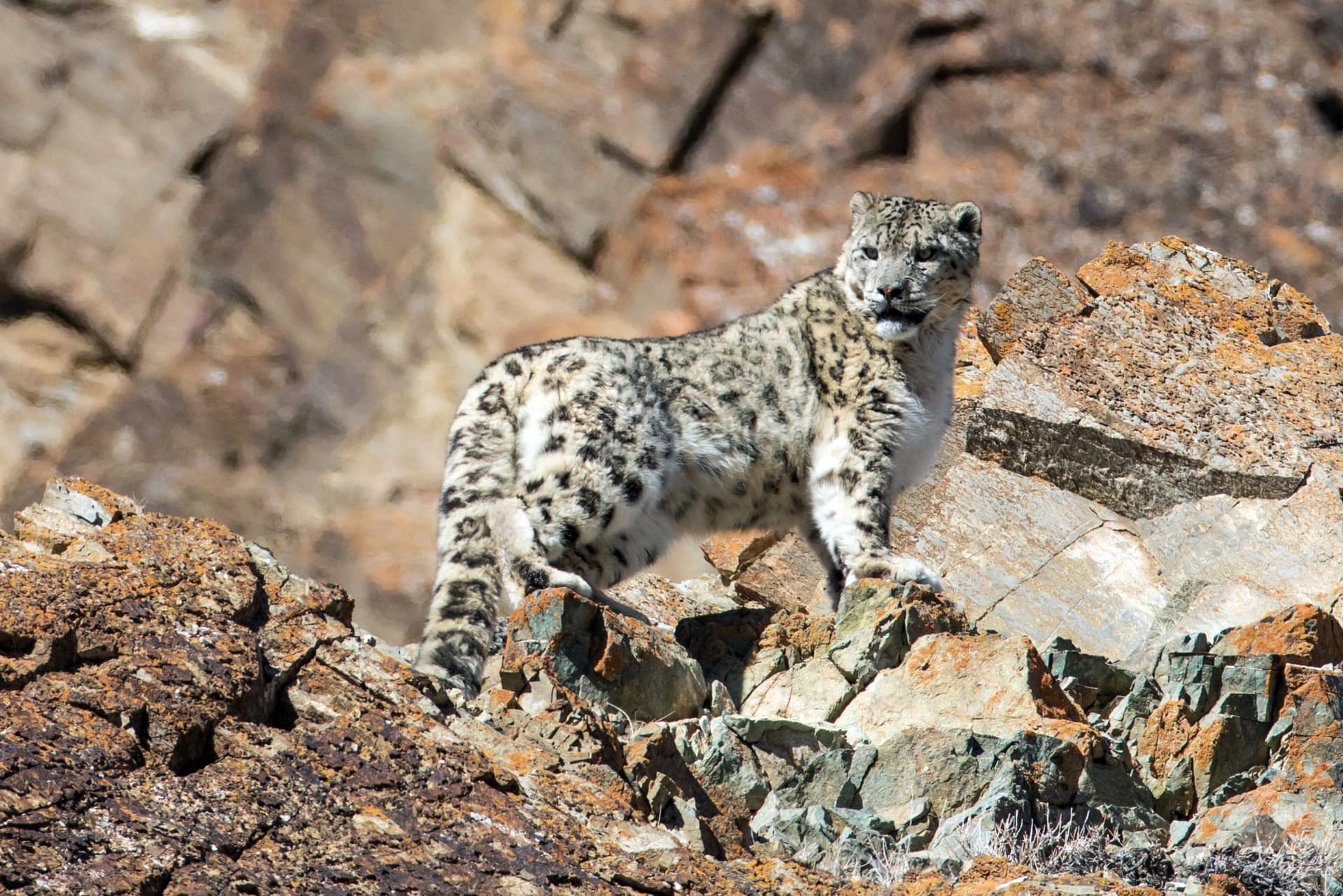
Many local and international organizations are working to protect snow leopard populations through research, training, compensating herders who lost their livestock, establishing nature reserves, and fighting economic interests in the area. The snow leopards are shy and solitary creatures, making it extremely hard for researchers to estimate their population accurately. A few years ago, wildlife conservation organizations began funding surveys to determine their population number. The latest study, published in March 2021, counted 953 snow leopards in Mongolia. The results confirmed that Mongolia has the second-largest snow leopard population after China, which has nearly 2,500 leopards. This new number seems to demonstrate the maximum number of snow leopards that Mongolian territory can support while also showing their population is recuperating in the wild.
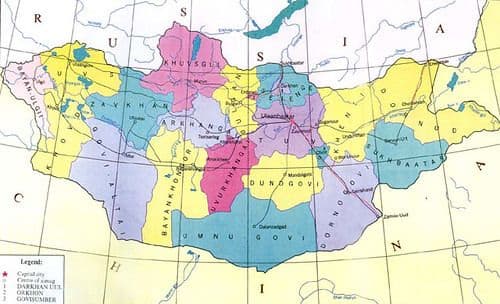
About a quarter of Mongolia's snow leopard population live in the Gobi Desert, in a province known as Umnugovi. Unfortunately for the magnificent cat, this province is extremely rich in mineral deposits, including gold and copper. Snow leopards reside in two national parks at the southern tip of the Altai Mountains: Gobi Gurvan Saikhan and Great Gobi-A Strictly Protected Area. Gurvan Tes, an administrative unit considered one of the richest in gold, copper, and coal, separates the two nature reserves. In other words, about 52 mining licenses, a significant portion of which are owned by politicians, separate these two nature reserves.
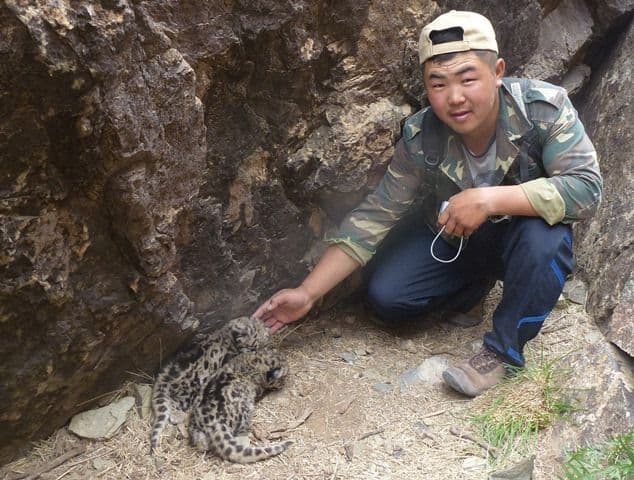
Bayarjargal Agvaantseren, or Baira for short, is a 52-year-old English teacher from Khuvsgul Province in northern Mongolia. In 1997, she joined the first team of American researchers as an interpreter, studying the snow leopard population in Mongolia. Baira abandoned her teaching career to work in various organizations associated with the conservation and study of snow leopards. In 2009, the Mongolian mining industry boomed, following a historic agreement between Rio Tinto and the Mongolian government. The contract led to the construction of a massive gold-copper mine in the Umnugovi province. At that moment, Baira realized that the traditional factors that have threatened the snow leopard population till now – illegal hunting, increasing goat herds in the desert, or loss of prey species – will be nothing compared to the damage the mines will do. The blast-hole drills, heavy trucks traveling back and forth in the desert, and wasteful water use would cause irreversible damage. Due to her decade of collaboration with locals, including giving lectures on the importance of conservation and compensating herders who lost their animals to snow leopards, Baira successfully united the nomads of Gurvan Tes to fight against the Mongolian government. Although the group succeeded in persuading the governor of Gurvan Tes to declare the region a protected area, the authority of the local administration was limited compared to that of the government and mining companies.

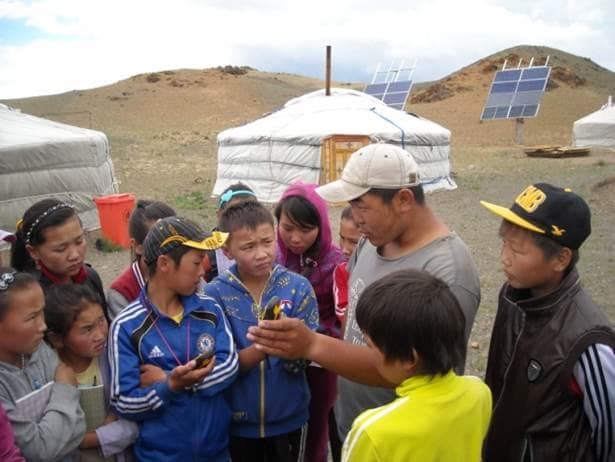
Among those who joined Baira's group was Lkhagvasumberel Tumursukh, who was nicknamed Sumbee. He was the son of Tumursukh, a legendary ranger of a nature reserve in Khuvsgul Province. His father, Tumursukh, dedicated his whole life to protect the wildlife in Khuvsgul. I met him last summer and heard his stories about pursuing poachers and handling Dukha tribes, who occasionally hunt animals. His son, Sumbee, also dedicated his life to protect 20 snow leopards living in the Tost Toson Bumba Mountains in Umnugovi province, a region heavy in mining activities. Since 2009, Sumbee had been educating the nomads and their children on snow leopards' importance, installing surveillance cameras, and tracking the leopards. At the same time, he also kept the mining companies in check, who often extracted while only possessing a license to perform geological surveys.
In May 2014, Sumbee was attacked with a knife by a gang in Ulaanbaatar. Although slashed in the neck, the young man brushed the incident off as a failed robbery attempt and told his parents not to worry about it. In the winter of that year, a group of men abducted Sumbee. They took him to the countryside and told him that his life would be in danger if he didn't stay away from the Gobi Desert. They also threatened to kill his three younger brothers. Sumbee didn't tell his family about the event but reported it to the police, who didn't investigate much. However, they found his cell phone with a recording of the abduction, in which he told his kidnappers, "Do you expect me to beg for my life? Well, I won't!". Sumbee was attacked for the third time in April 2015 while tracking down snow leopards by a motorcycle. Two men on motorbikes wounded him with knives in a narrow mountain pass. Despite the severe injury, Sumbee managed to escape to the research center, from where he was evacuated by helicopter to Ulaanbaatar. Police found three cuts on him as deep as 2 and 4.5 cm. But since they didn't find any evidence of assault, they announced the case an attempted suicide.
Despite the continuous assaults and advice from his superiors to take a rest, Sumbee decided to return to the Tost Toson Bumba Mountains to continue his work. On November 5, 2015, Sumbee left his home in Ulaanbaatar a day earlier than planned to the Gobi Desert. A day or two passed without any news from him, so his family reported to the police. On November 11, his body was found floating in Lake Khuvsgul, in the province he was born, far from both the Gobi Desert and Ulaanbaatar. Police quickly announced his death as a suicide by drowning. Sumbee's family, colleagues, and friends argued that he had no reason to commit suicide. Sumbee was a rising star in the nature conservation field. He studied in the US on a full scholarship and was a valued researcher. He visited zoos worldwide to teach them about snow leopards' habitat to improve their conditions in captivity. He had his whole life ahead of him. In a country where power and money are everything, the mystery of Sumbee's death will probably never be solved.

Baira
However, shortly after his death, using the politicians' desire to please the public before the upcoming election, Baira managed to acquire an 80% vote in the parliament to declare Tost Toson Bumba Mountains a nature reserve. These mountains, located between Gobi Gurvan Saikhan Reserve and Great Gobi-A Strictly Protected Area, secured the future of the snow leopards in the Mongolian Gobi. In February 2019, in the Khurakh Mountains of the Great Gobi-A Strictly Protected Area, a snow leopard was photographed for the first time with her adult cub. It is rare to see two snow leopards together. It seems like despite the damage man continues to inflict, the snow leopard population is growing with the help of a few good people.


