Przewalski's Horses: From Extinction To Reintroduction
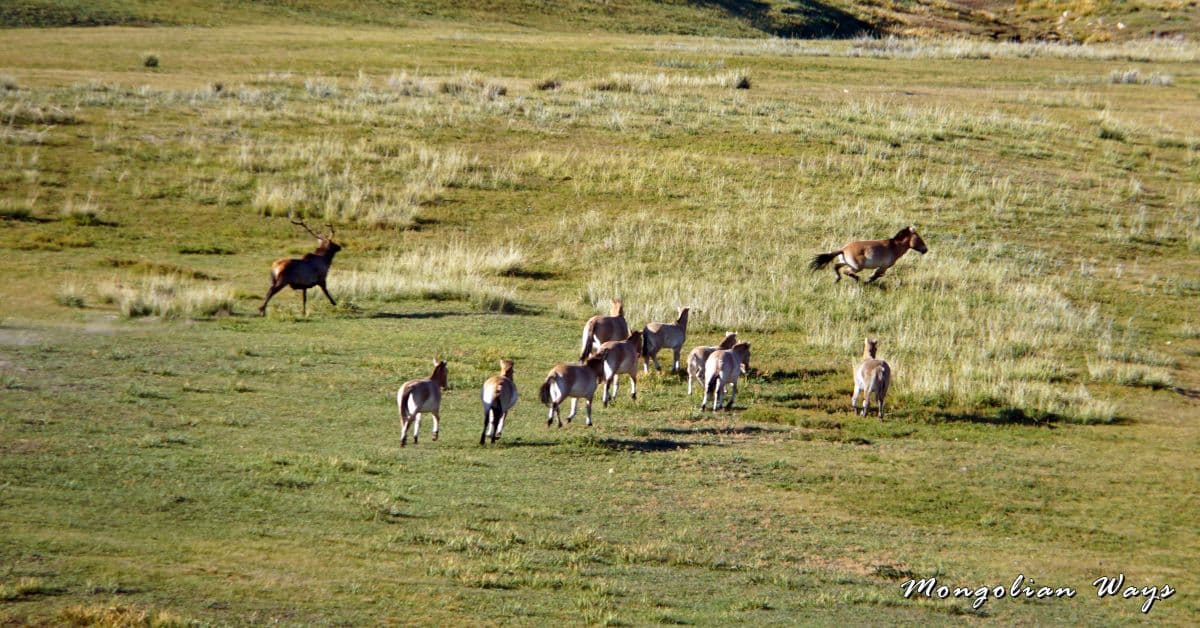
On June 5, 1992, a cargo plane landed in Ulaanbaatar, Mongolia, bringing 84 containers. The large crates were loaded onto trucks and set out to the countryside. Sixteen were transported to the Khustai Mountains, located in two-hour drive west of the capital Ulaanbaatar. There they released the Takhi, the world's last truly wild horses, back to the steppes once again after their extinction in the wild in the 1960s.
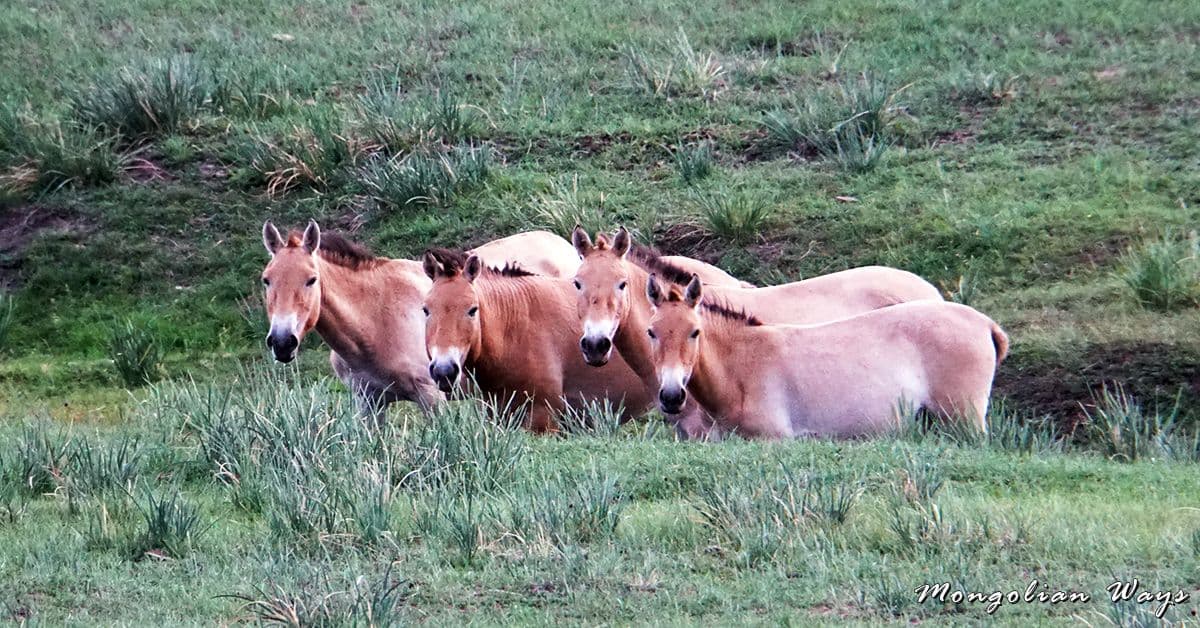
I remember the first time I witnessed those horses in Khustai National Park. I was highly excited to see them galloping in the steppes instead of sitting in the zoos. But as high as my expectations were, so was my disappointment. I was waiting to see majestic beasts trembling the land beneath their hooves, but I found myself watching some lazy horses walking sluggishly to the creek to drink some water. It was only in the evening when I met the chief biologist at the natural reserve visitor center that I realized how inspiring the story of these horses was.
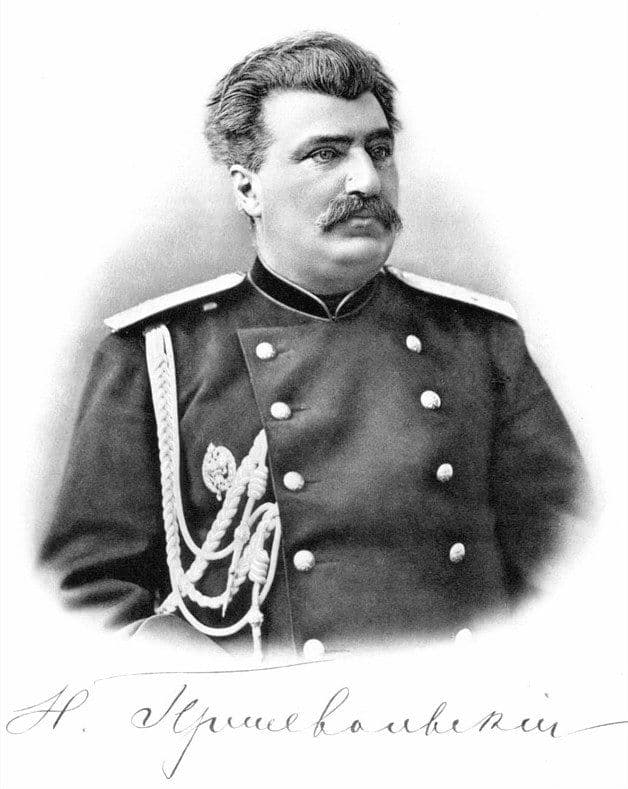
Since the dawn of history, the Mongols knew about the existence of Takhi horses grazing in the steppes on the northern edge of the Gobi Desert. The nomads made sure to keep their herds far from the wild herds due to the aggressive and untameable nature of the Takhi. It is common for the male wild horses to wage wars that can lead to fatal injuries and even death. In 1878, Colonel Nikolay Przewalski, a Russian Imperial geographer, returned to St. Petersburg after finishing his mission to gather information on Tibet. On his way, near the border between Mongolia and China, he obtained a skull and hides of an alleged wild horse. When experts from the Zoological Museum in St. Petersburg examined the bones, they concluded that it was a species of wild horse unknown to European science and named it after the colonel. Colonel Przewalski also described several other unknown species to science, including Przewalski's gazelle and the Wild Bactrian camel. He is celebrated for his substantial contribution to European knowledge of Central Asia. He is also rumored to be the biological father of Stalin, not just because of the physical resemblance between them.
Although the Przewalski's horses were unknown to the Europeans until the late 19th century, similar-looking wild horses appear in European cave art dating as far back as 20,000 years ago. Most researchers believe these horses were Tarpan (Equus ferus ferus), an extinct Eurasian subspecies of wild horses. The European and Mongolian wild horses have a common ancestor, the ancient American horses (Equus Ferus) that crossed the Bering land bridge from America to Asia. In America, the wild horse went extinct, but its descendants thrived in the Euroasian steppe, splitting into two species: the Tarpan and the Przewalski. One of its descendants, the Tarpan horses, went extinct after the last one died in captivity in Ukraine in 1918. The Przewalski horses, its other descendant, roamed freely in the Gobi Desert until the 1960s.
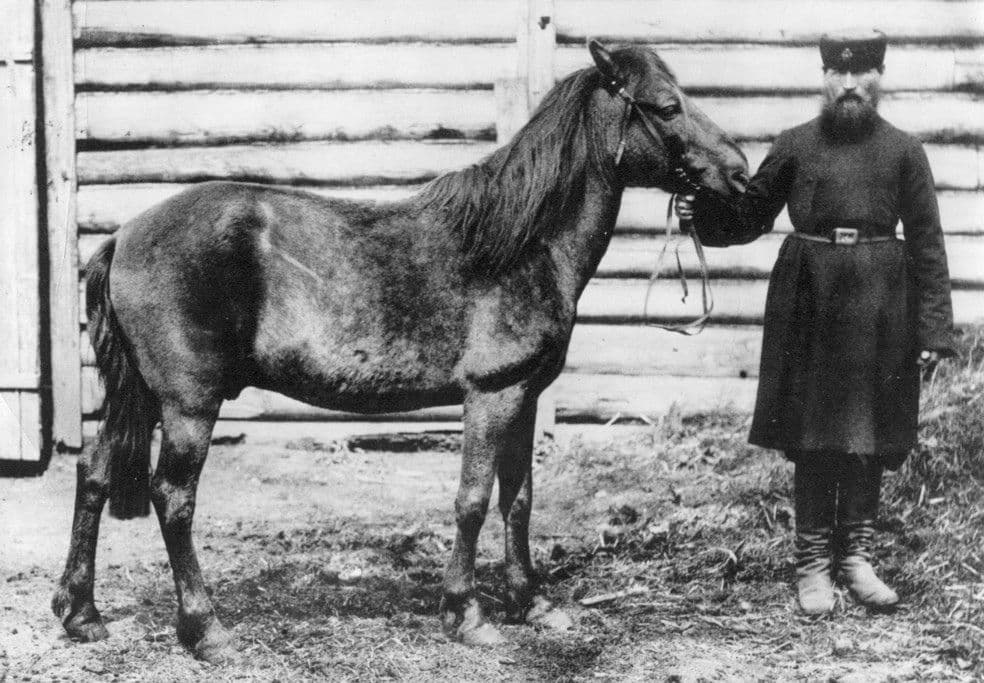
After discovering the new species, Colonel Przewalski returned to Central Asia to capture the wild horses alive but failed. The Russian explorer returned home empty-handed. He wrote that "The wild horses are highly anxious and possess an extraordinary sense of smell, sight, and hearing. Their natural habitat is the desert, and they can survive without water for an extended period." Shortly after the discovery of new species was announced, exotic animal lovers across Europe wished to get their hands on the mysterious animal. Hunters occasionally returned with some young foals, but none survived captivity for more than a few months. Between 1897 and 1902, Carl Hagenbeck, a German dealer of wild animals, funded several delegations in Central Asia to catch Przewalski's horses. Hagenbeck was notorious for his cruel "Human Zoos," in which he displayed indigenous groups, including Sami people, Inuit people, and Samoans. In 1901, his hunters successfully captured 52 foals but wiped out entire harems and exterminated most of the stallions in the process.
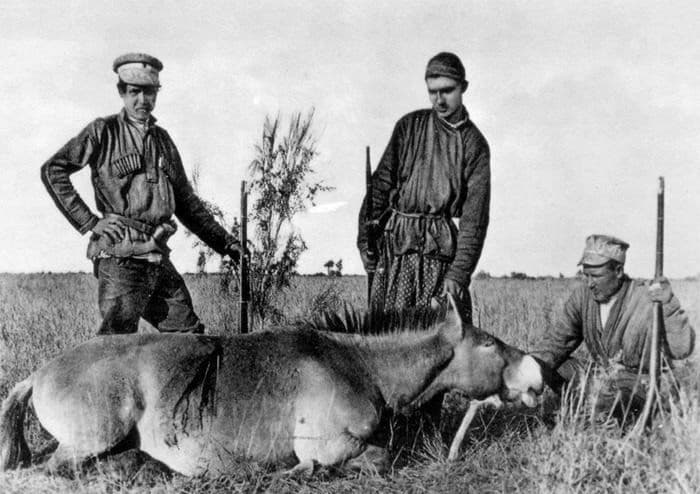
Przewalski hunted by Grigory and Michael Grum-Grzhimailo in the Dzungarian Basin / Source: N/A
These foals and a few others survived the journey to Europe and were scattered among various zoos. The remnant population in Mongolia was left fragile and went extinct in the 1960s due to a string of harsh winters, drought, and hunting by locals. The extinction of the wild herds made the captive population the sole representatives of Przewalski's horse. However, the captive population in Europe was barely hanging on after the two world wars. In 1945, only 31 horses remained in all of Europe at the Munich and Prague zoos. In 1950, only 12 individuals remained! Inbreeding among the captive population had also caused reduced fertility of the Przewalski horses. Thus, the zoos started to exchange breeding animals among facilities. In 1957, a wild-caught mare captured as a foal a decade earlier was brought to the Ukrainian zoo population. This was the last wild-caught horse and significantly boosted the genetic diversity. The spread of her bloodline through the inbred captive groups led to increased reproductive success. From then on, more international collaborations took place, leading to substantial growth. By 1965, there were more than 130 horses spread among 32 zoos.
In 1972, two young Dutch newlyweds named Jan and Inge Bouman traveled to Czechoslovakia on their honeymoon. There they came across a dozen Przewalski's horses living in a crowded pen at the Prague Zoo. The couple, who possessed a deep affinity for horses, wished to free those poor animals from their miserable captivation and return them to their home. Rather than writing about feelings in a diary, the two decided to make their dream a reality. From then on, they flew between zoos around the world, trying to harness the horses to a breeding program, in which they would be swapped between the zoos to prevent further inbreeding and restore the species' genetic resilience. The couple, who have never had children, invested all their money and time to reach their goal. In 1977, they established the Foundation for the Preservation and Protection of the Przewalski Horse in Rotterdam, the Netherlands.
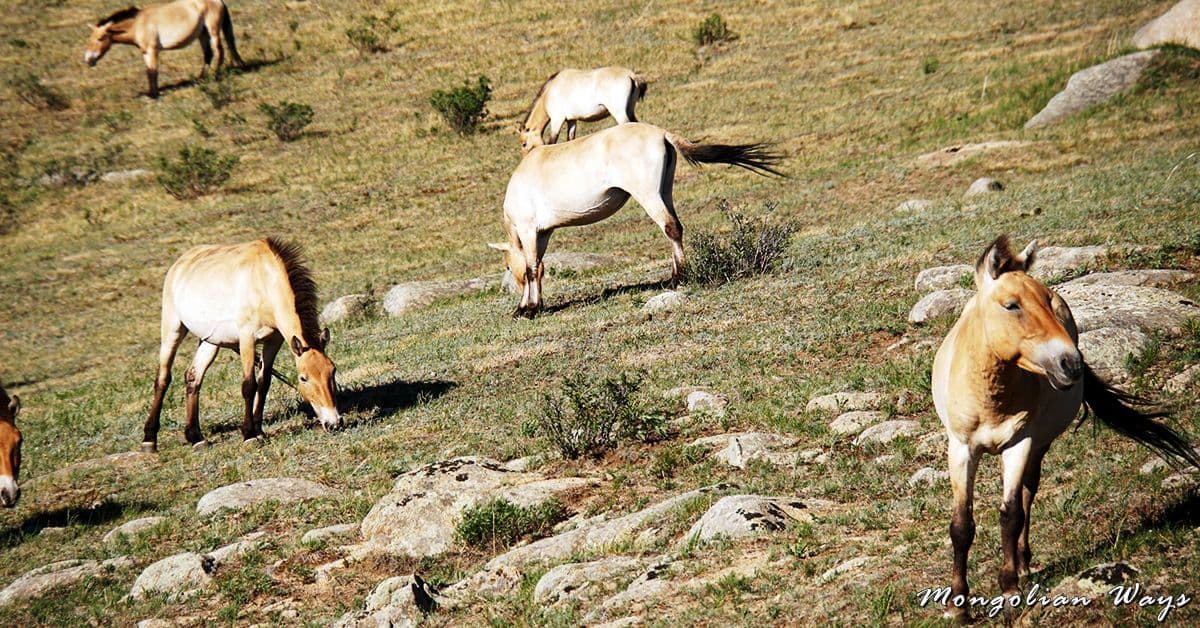
In 1990, together with the entire Eastern bloc, Mongolia ended the communist monopoly and opened itself to the West. The Bouman couple, who had previously established ties with Mongolian scholars, felt that the time had finally come for the Przewalski's horses to return home. A year after the democratic revolution in Mongolia, the new government chose two areas to rehabilitate the wild horses in nature. In 1992, exactly 20 years after the Bouman couple's first visit to the Prague Zoo, 84 wild horses returned to Mongolia from various zoos across Europe. Jan Bouman passed away in 1996, four years after seeing his dream come true. Inge, his widow, decided to stay away from the project a bit and enjoy the time she had left. Regardless, several organizations worldwide continued to support the sensational project of reintroducing the Przewalski's horses to their natural habitat. Each year, they brought a few more individuals in Mongolia and transferred them to three breeding centers: Western Mongolia, southern Gobi Desert, and Khustai, not far from the capital Ulaanbaatar.
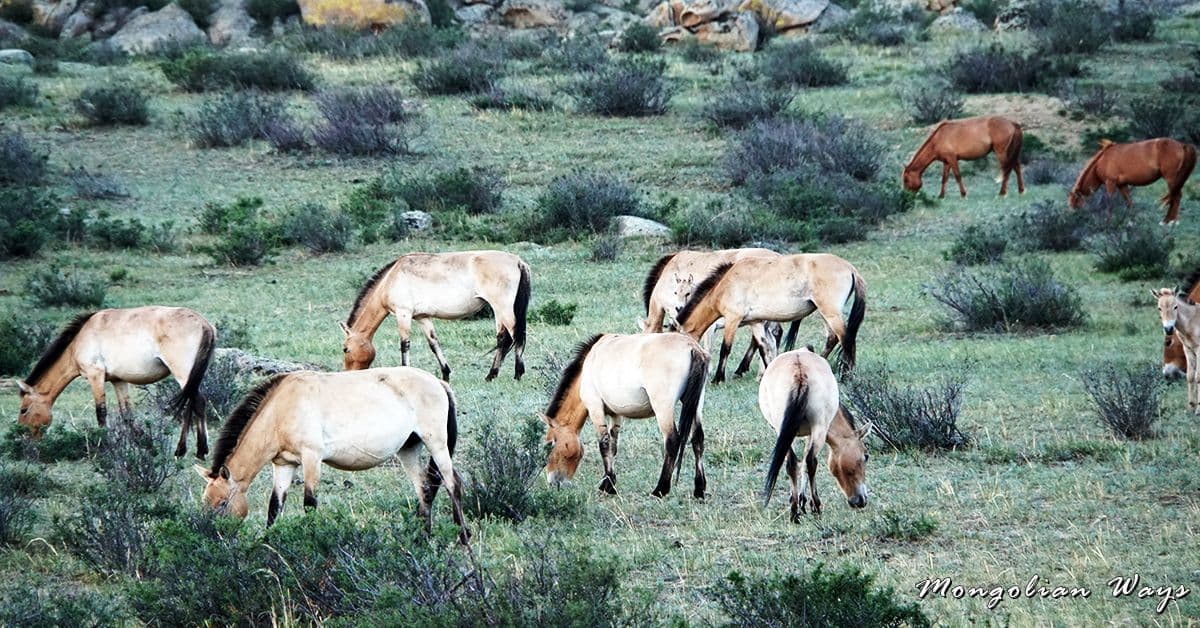
The reintroduction project had to deal with many challenges. The wild horses are preyed upon by wolves and exposed to various diseases in nature. There is also a danger of mating with domesticated herds grazing not far (the Przewalski's horse or Takhi has 66 chromosomes, while the domestic horse has 64. They can mate with each other and produce fertile offspring with 65 chromosomes). Despite all these challenges, the reintroduction project became the first successful venture to restore species extinct in the wild back to nature. The reintroduced horses successfully reproduced, and the animal's status was changed from "extinct in the wild" to "endangered" in 2005. The change in status indicates, on the one hand, the glorious achievements of the project, and on the other hand, that there is still a long way to go to complete the project.
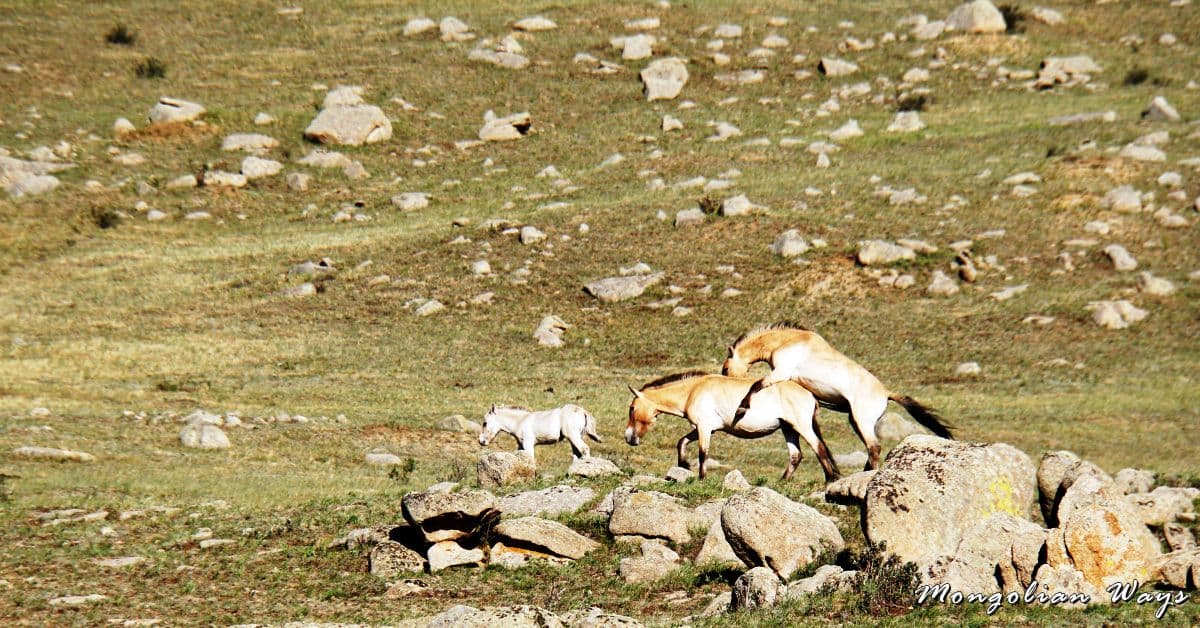
Today there are about 1900 Przewalski's horses in the world. Out of them, over 400 horses are roaming freely in the Mongolian steppes. If you look at their history, the Takhi horse is a symbol of hope. It is truly unique if you think that the horses once perished in the wild are now thriving in their native land again. In the late afternoon in Khustai National Park, you can easily find them drinking water from the springs in the summer heat.


