• Mongolian Ways logo
    Mongolian WaysTRAVEL COMPANY
  • Contact us

Subscribe to our newsletter

Travel by season

  • Summer tours
  • Autumn tours
  • Winter tours
  • Spring tours

Our company

  • About us
  • Blogs
  • Reviews
  • Be inspired
  • Asia guide
  • Gallery
  • FAQ

Contact us

Room 911, 9/F, Tai Yau Building, 181 Johnston Road, Wanchai

+852 92907030
trips@tripsatasia.com
© 2026 MONGOLIAN WAYS. ALL RIGHTS RESERVED.
Privacy PolicyTerms of ServiceDisclaimer
Follow us
Made withbyNomatech
Mongolian Nomadic Lifestyle - Your Questions Answered

Mongolian Nomadic Lifestyle - Your Questions Answered

Mongolian Nomadic Lifestyle - Your Questions Answered

  • How do nomads count days?

Every year, a small but very significant book is published before Lunar New Year. This book is a calendar distinguishing the auspicious and inauspicious days of the year by Buddhist astrology. It continues to be used throughout Asia, including nomadic communities, to determine religious festivals, national holidays, and other life events.
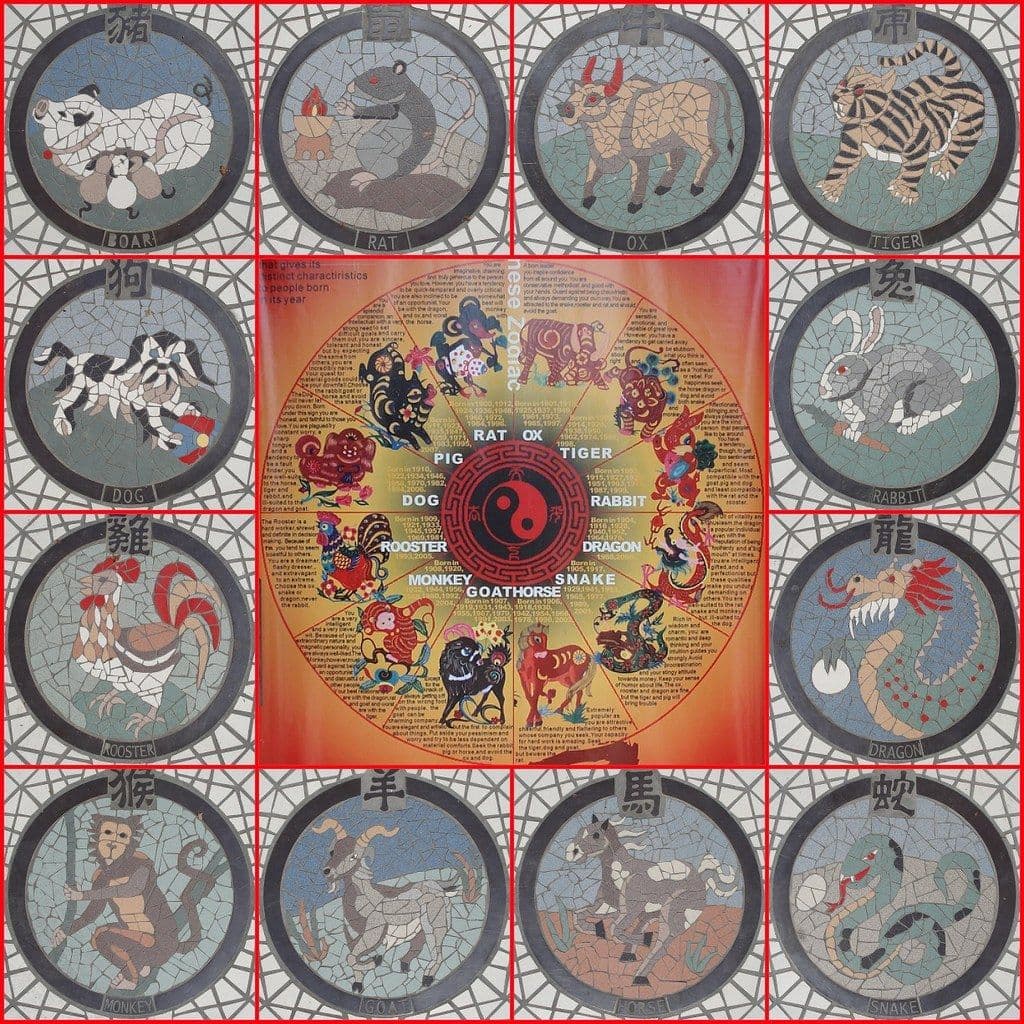
zodiac

The calendar divides a year into 12 months, represented by twelve animals. These animals are also used to count the days, so one week has 12 days instead of seven. You can't find out the exact day of local festivals in Eastern countries before this book is published. You won't even be able to know when the Yuanyang minority market in Yunnan Province would be open without it. Hundreds of millions of Asians rely on this book to make life plans. For example, in a small Muslim village of Yuanyang county, the minority markets only open on the Rooster day, a lucky day for business. Meanwhile, on the auspicious days to get married, you would run into many newlyweds in the central square of Ulaanbaatar in Mongolia. There are even lucky days for opening a business, going on a trip, and getting a haircut.
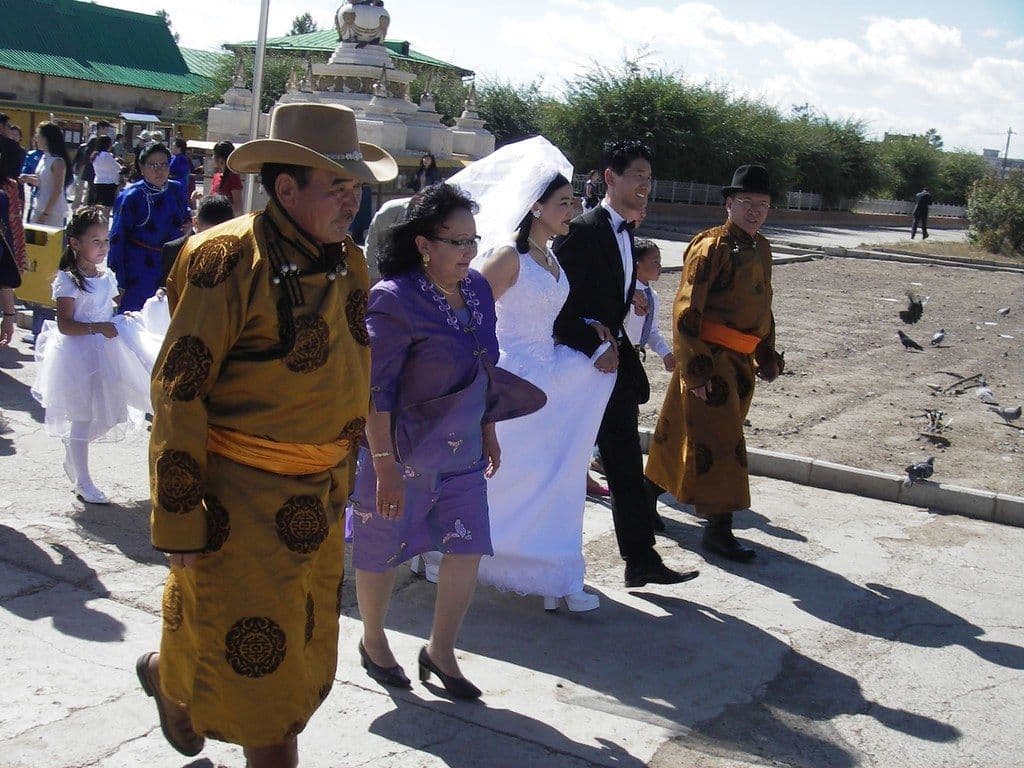
mongolian wedding
  • How do nomads choose the day to migrate?

When the time to move from one camp to another comes near, the family's father sits down with the same calendar to find an auspicious day to move to a new place. Then he would travel to find a place with enough pasture for the livestock a few days before the seasonal migration. On the day to move, the family will put on their best clothes and get to work. First, they will pack the items of furniture. A nomadic family doesn't possess unnecessary home decorations or items that may break while moving, so packing is not that hard as one would imagine. Then they dismantle the ger, load it onto pack animals and nowadays a truck, and moves to the chosen place.
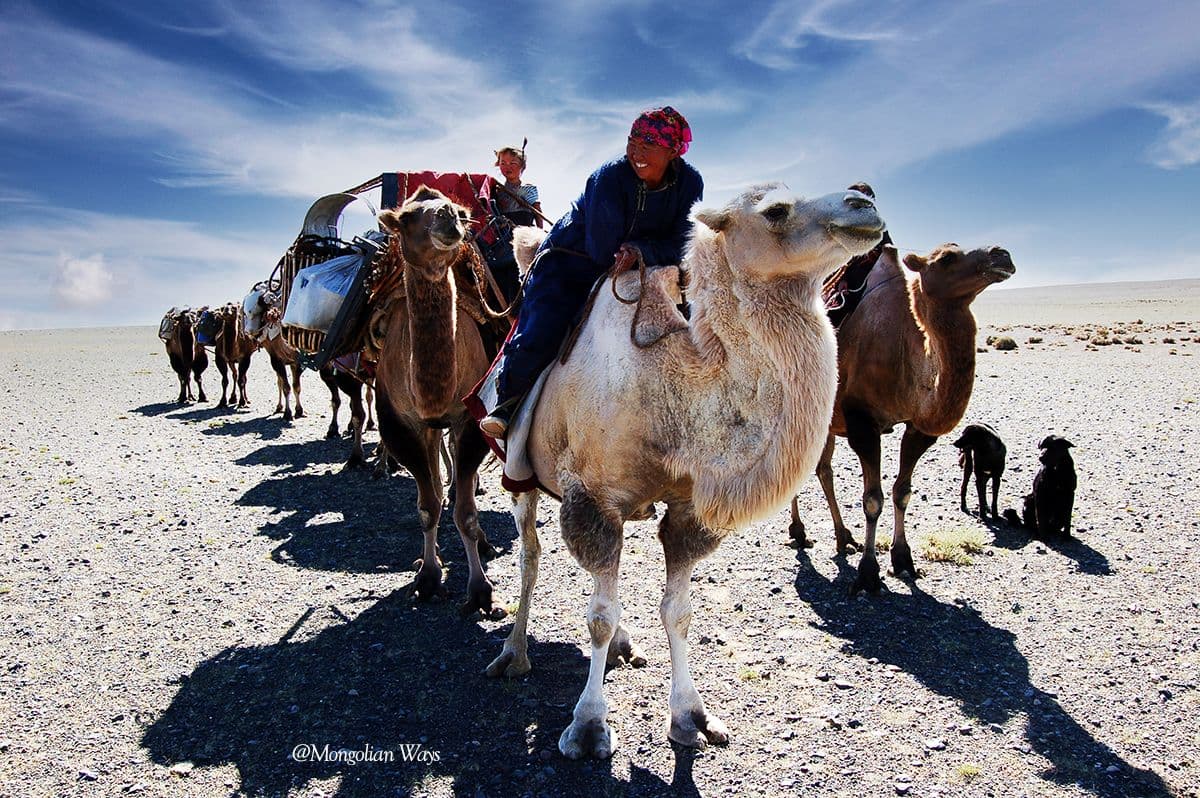
pack camels

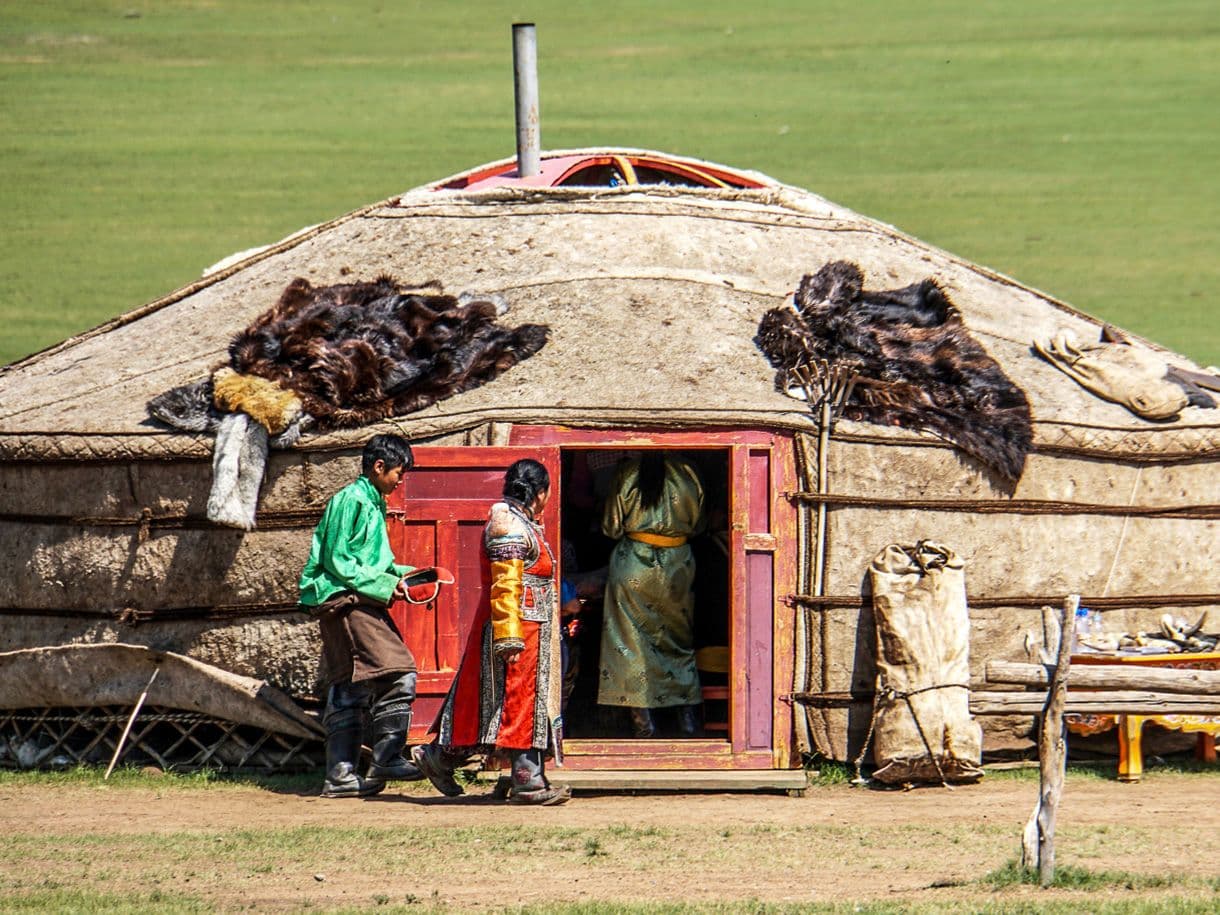
After arriving at the destination, they assemble their ger and place everything inside in an organized manner. The door always faces south. The kitchen appliances are arranged in the east along with clothing. The west side belongs to the man, so they hang there the saddle, harness, whip, and a bucket of fermented horse milk drink known as airag. Next to it, they may put shimiin arkhi, a distilled alcoholic beverage from yogurt. In the north, they arrange the altar, including various figures of Buddha and other deities they worship. Next to them are the photos of the family members, both dead and alive. You may also see certificates of appreciation the children received from school or the medals the father won in a horse race or wrestling. Next to Buddha sits the small calendar they use to plan their life.
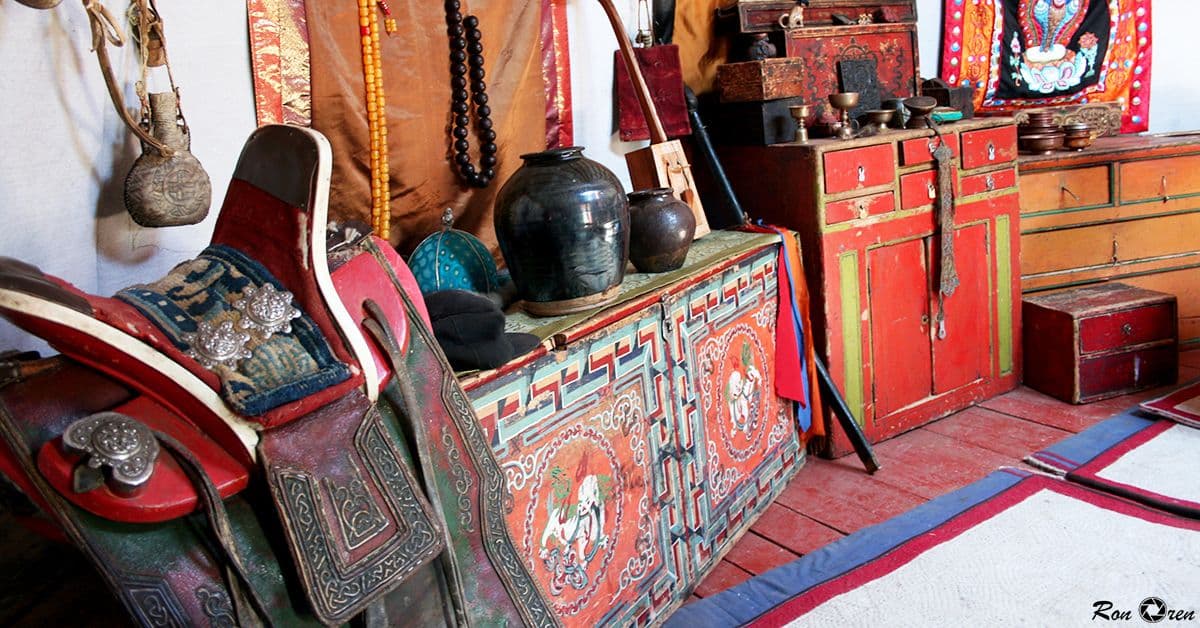
ger
  • Is there any privacy inside ger?

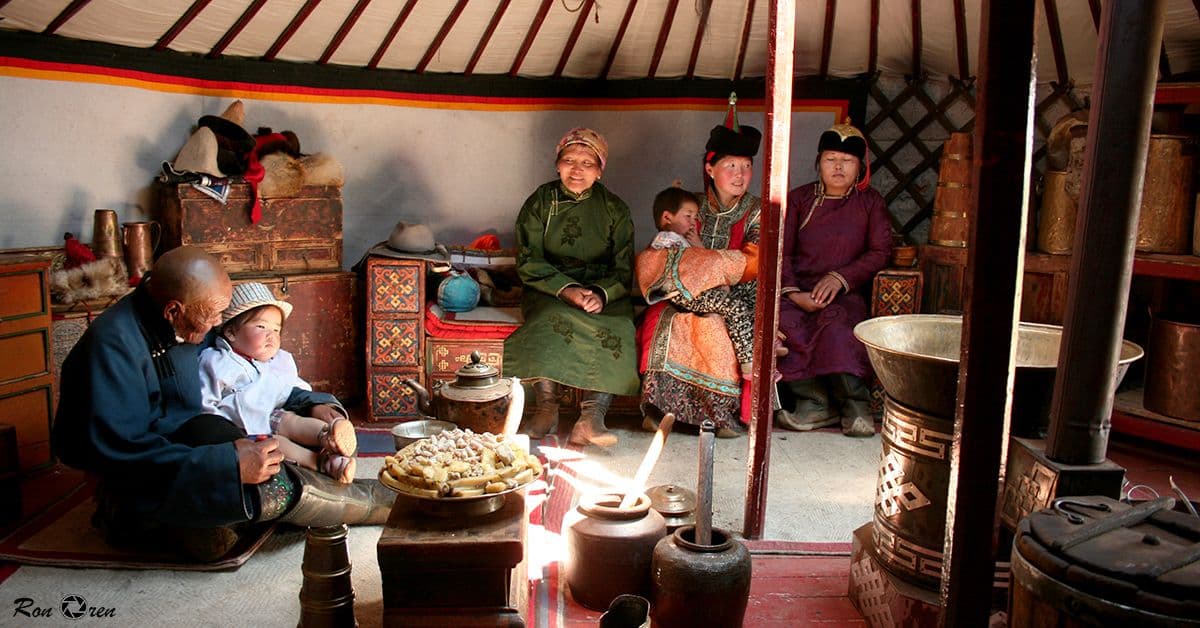
The whole family lives inside a 40-square-meter round ger with no walls to separate them. Here they sleep, cook, eat, bathe, and make children. For Westerners, who greatly value their privacy and personal space, it would be hard to imagine living like that, but it seems only natural for those who grew up that way.
Blog image
  • Do children of nomads go to school? how do they receive medical services?

Mongolia has 21 provinces, which are then divided into various sums. Each provincial capital has a capital city, while every sum has a permanent town serving as an administrative center. In the town, you can find a hospital, police, markets, and school. While the children who live close enough ride horses to school every morning, those who live far stay at a dormitory during the week and return home on the weekend. Others whose home is too far live in the dormitory almost throughout the whole school year. In this case, one of the family members – usually the grandparents – move to the town to look after the child. Although there is a hospital in small towns, there aren't any specialty doctors and efficient laboratories. Thus, if a herder gets a severe illness, they travel to the provincial capitals or the capital Ulaanbaatar, depending on the condition.
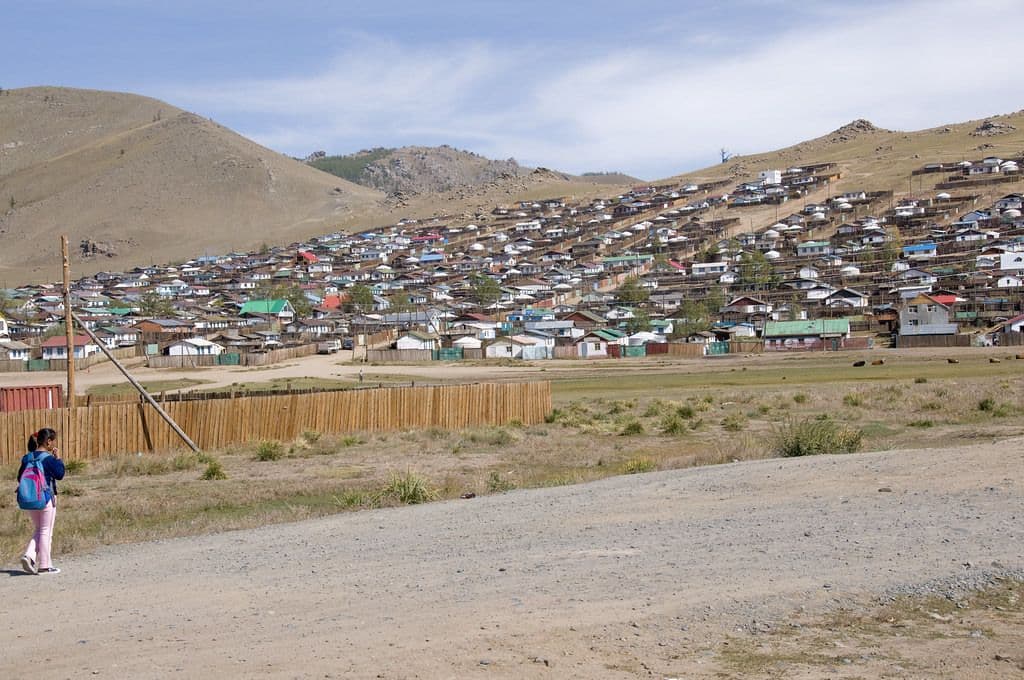
tsetserleg
  • Do postal services reach nomads? If I send them a letter, how will they receive it?

The post office clerks in towns often visit the local restaurants, where drivers often stop to have supper. The clerk asks them where they are heading, and if the destination sounds close enough, she gives them the letter and asks them to deliver it to the recipient. Since a nomadic society depends on mutual support, the drivers wouldn't break the clerk's trust.
Blog image

Although globalization is drastically changing our daily lives, it hadn't affected the lives of nomads in central Asia as much. People here still have faith in each other and help strangers without a second thought. Their lifestyle will remain as it was centuries ago until the desire to live an easy life overwhelms them with the help of television programs and social media.

Share this article

Blogs

Welcome to the Mongolian Ways Travel articles!

wild horses

Przewalski's Horses: From Extinction To Reintroduction

No excerpt available

Przewalski's Horses: From Extinction To Reintroduction - See more
MY NATURE LAND

MY NATURE LAND

No excerpt available

MY NATURE LAND - See more
nomadic family

8 Things To Do While Staying With Nomadic Family

A very special way to discover the lifestyle and traditions of the Mongols is to homestay few days with nomadic families. Mongolian nomads live in ger, a round felt-covered dwelling, which has been used by Central Asian nomads for centuries. The word ger is literally translated as home in Mongolian, while its Turkish term “yurt” means homeland. Indeed, the ger provides shelter in a landscape that is both beautiful and harsh. Without visiting this ancient accommodation and meeting families living there, one would never truly get an honest taste of the nomadic lifestyle that Mongolians still treasure to this day. About three- quarters of the country's population are estimated to be living as nomadic herders. These people are renowned for their wonderful hospitality towards visitors, because of their tradition of helping one another and isolation from the outside world. And we present to you 8 things you can experience while staying with Mongolian nomads.

8 Things To Do While Staying With Nomadic Family - See more
mongolian state palace

State Palace - Intimidating Or Inspiring?

No excerpt available

State Palace - Intimidating Or Inspiring? - See more
Mongolian Nomads

The Die-Hard Nomads

No excerpt available

The Die-Hard Nomads - See more
horseback riding in mongolia

Horseback Riding In Mongolia

If you are planning to travel to Mongolia, horseback riding can be a startling experience to feel the deep connection of Mongolian nomads and their horses. For centuries, horses have been worshiped and respected by the steppe nomads. Having as many horses as people in a modern world proves how nomadic lifestyle is still revolving in Mongolia. They are used for transportation, herding, hunting, and horse racing. All children in the countryside learn to ride at the age of 4 and become jockeys by age of 7. Even today most Mongolians know how to ride a horse, whether they live in the city or in the countryside. Therefore, riding a horse in Mongolia is a great opportunity to feel the spirit of this nation.

Horseback Riding In Mongolia - See more
shaman ceremony

Shamanism In Mongolia

Shamanism is a practice that involves a practitioner reaching altered states of consciousness to interact with the world of spirits. The term "shamanism" was first applied by Western anthropologists as outside observers of the ancient religion of the Turks and Mongols, and those of the neighboring Tungstic- and Samoyedic-speaking people. Fundamental belief of shamanism is that the universe is alive: all living beings have a conscious soul animating them – humans, animals, birds, insects, reptiles, plants, etc. A shaman is someone who has access to the world of spirits, enters into a trance state during a ritual, practices divination and healing with the help of spirits.

Shamanism In Mongolia - See more
Best Of Mongolia

Best Of Mongolia

No excerpt available

Best Of Mongolia - See more
Golden Eagle - The Wings of the Kazakh

Golden Eagle - The Wings of the Kazakh

The Altai Mountains, one of the most secluded areas in the world, covers a vast area of over 16,000 kilometers, forming an impregnable barrier against globalization with its permanently snow-covered peaks that rise above 4,500m. This land of undiscovered beauty and wilderness is home to the Kazakhs, who have been preserving the ancient tradition of falconry to these days. Although falconry is still popular in many countries, including the United Kingdom and Saudi Arabia, hunting with golden eagles is exclusively a Kazakh practice.

Golden EagleWestern Mongolia
Golden Eagle - The Wings of the Kazakh - See more
The Nomads of Mongolia with Trips@Asia

The Nomads of Mongolia

CultureMongolia
The Nomads of Mongolia - See more
snow leopard in Mongolian mountains

Snow Leopard: Protecting The Mountain Ghosts In Mongolia

Snow leopard, the king of the north and central Asia's high mountains, is often referred to as the ghost of the mountains. Even if the leopard is sleeping on a rock slope right in front of you, you may not notice it is there until you step on it.

Snow Leopard: Protecting The Mountain Ghosts In Mongolia - See more
Horse herders during Tsagaan Sar

How Mongolia Celebrates Lunar New Year (Tsagaan Sar)

No excerpt available

How Mongolia Celebrates Lunar New Year (Tsagaan Sar) - See more
Mongolian family system

Mongolian Family System

No excerpt available

Mongolian Family System - See more
nomad camp

Mongolian Ger: Felt-Dwelling Of Nomads

No excerpt available

Mongolian Ger: Felt-Dwelling Of Nomads - See more
The Spiritual Side Of Mongolia

The Spiritual Side Of Mongolia

No excerpt available

The Spiritual Side Of Mongolia - See more
Mongolian shaman

What Is Mongolian Shamanic Ceremony Like

No excerpt available

What Is Mongolian Shamanic Ceremony Like - See more